Smart Home Shopping Before IFA 2026: Buy Now or Wait for the New Wave?
IFA 2026 opens September 4 with connected-home and AI-appliance announcements already arriving. Audit compatibility, privacy, support, and real automation needs before adding another hub or subscription.
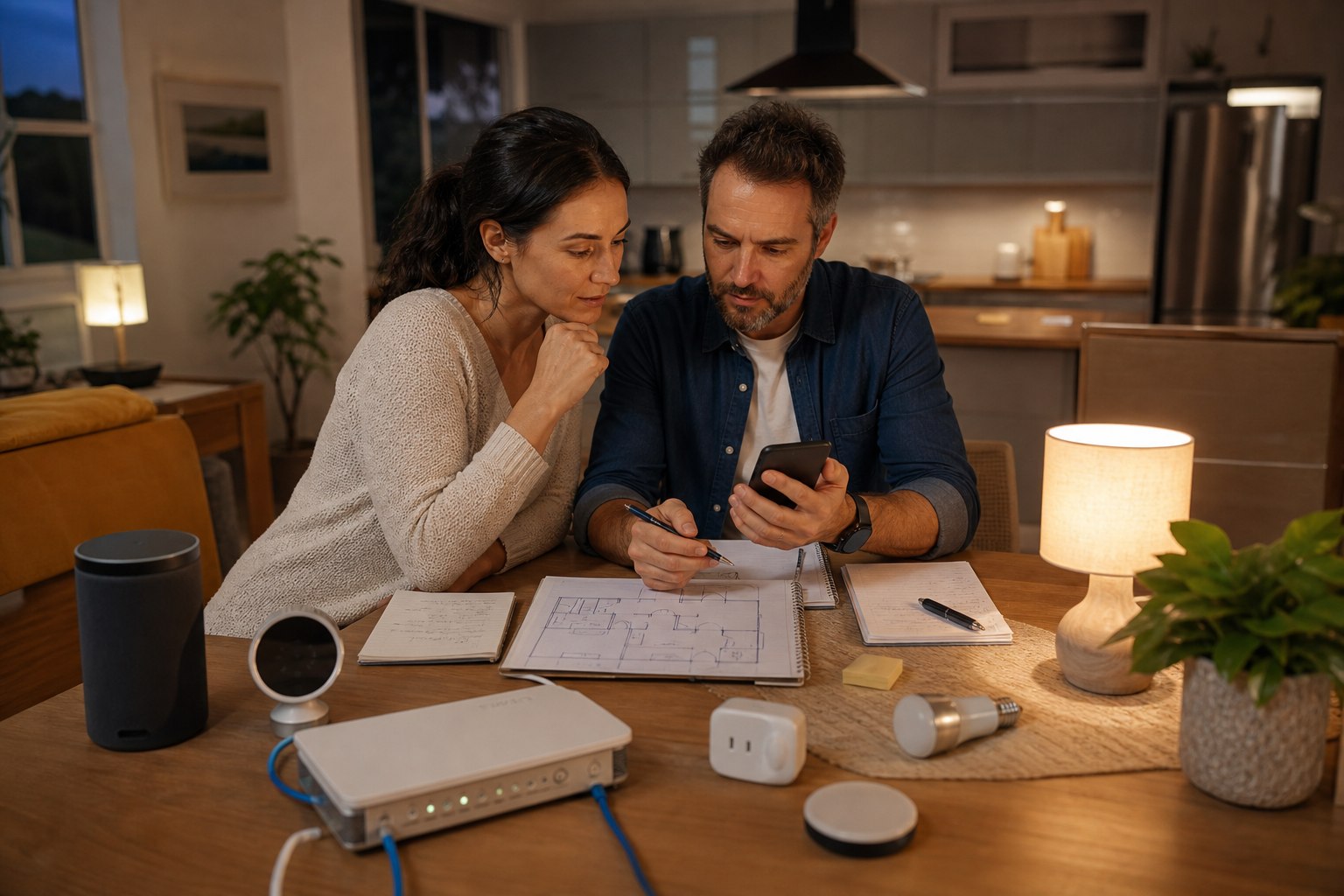
A household mapping Wi-Fi coverage and checking how lights, climate controls, speakers, and appliances would work together. A listing cannot tell you whether a purchase makes that particular routine easier. Start by identifying the part that currently fails: access, storage, cleaning, comfort, or carrying.
Begin with the constraints
List every current platform, household phone type, Wi-Fi dead zone, required account, subscription, and automation that must continue working if the internet is unavailable. Write down the result before comparing products; it will be more useful than a rating averaged across buyers with different spaces and habits.
The options worth comparing
Depending on your routine, compare standards-compatible sensors and switches, practical climate controls, local-capable hubs, and connected appliances with a clear manual fallback. Look at the dimensions and care instructions for each type, then decide which tradeoff you can live with. A category name is not a specification: construction, accessories, and return terms vary by seller and model.
What is worth paying for?
Buy a mature device now when it solves a defined problem and supports your existing system; wait when the main attraction is an unproven AI promise or an ecosystem that has not published long-term support details. Compare the total price, including any replacement pieces or required accessories. Read recent critical owner reviews for recurring problems that resemble your own use case rather than treating a star average as proof of fit.
Compare current listings
Check dimensions, materials, maintenance, seller identity, and the applicable return window before ordering. PerkParcel may earn a commission from qualifying purchases.
Browse smart-home devices before IFA 2026 optionsA reason to wait
If you cannot verify the measurements or describe a routine this purchase would improve, pause. A discounted item can still be a poor value when it creates storage, cleaning, or replacement work you had not planned for.
The decision
Use the actual space and routine as the filter, then choose the simplest option that meets the need. Recheck the seller's current information at checkout; specifications and policies can change.
Related tech guides
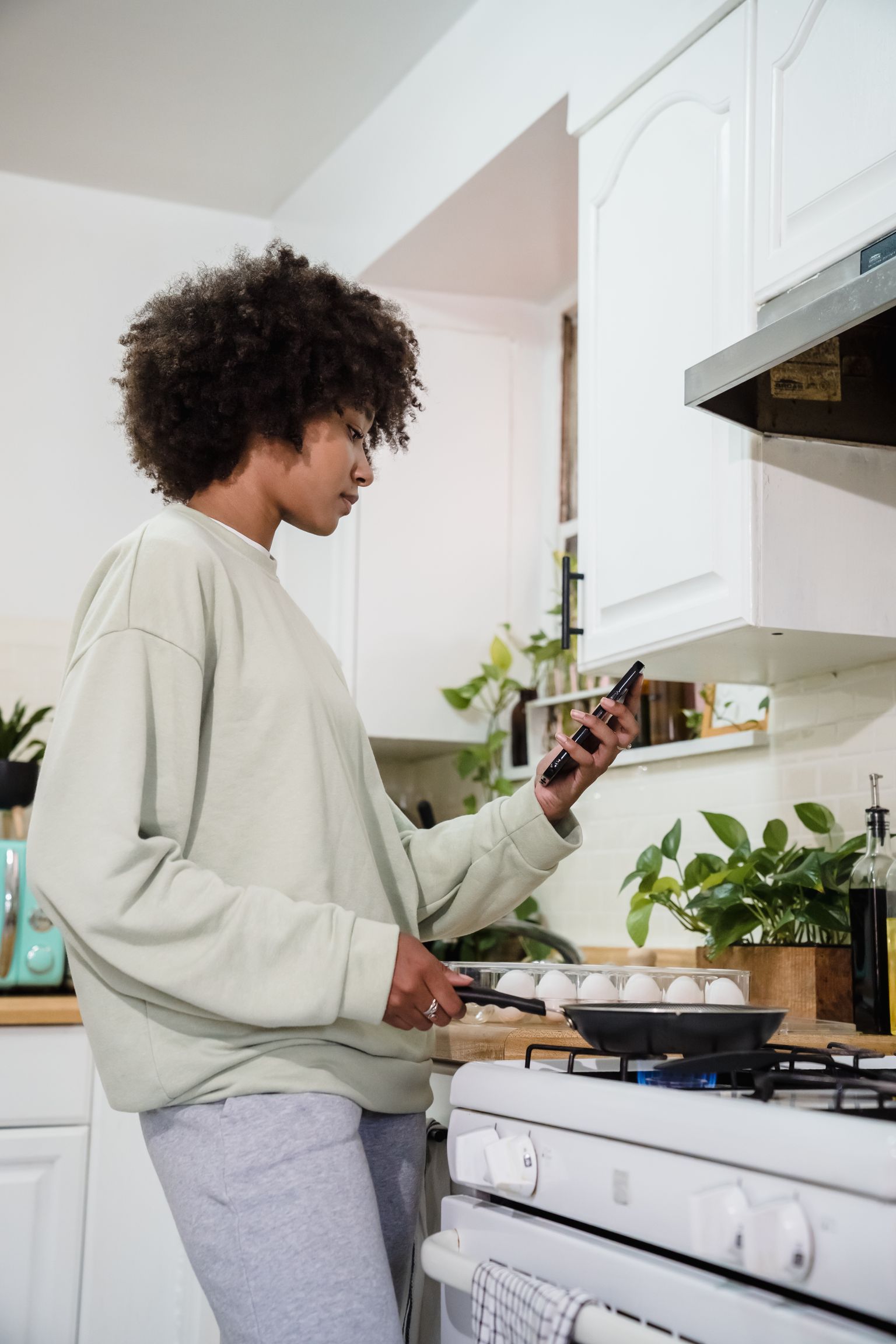
Samsung Week 2026: Which Smart Home Upgrade Is Worth Buying?
Samsung Week runs October 12–November 1. Compare the real cost of a phone, TV, or connected appliance against the job it needs to do at home.
· 7 min read
Amazon Alexa Tablets in 2026: Choose for the Family Routine, Not the Launch Buzz
Amazon announced new Alexa tablets on October 8. Compare profiles, app access, privacy controls, storage, and who will actually use the screen before upgrading.
· 7 min read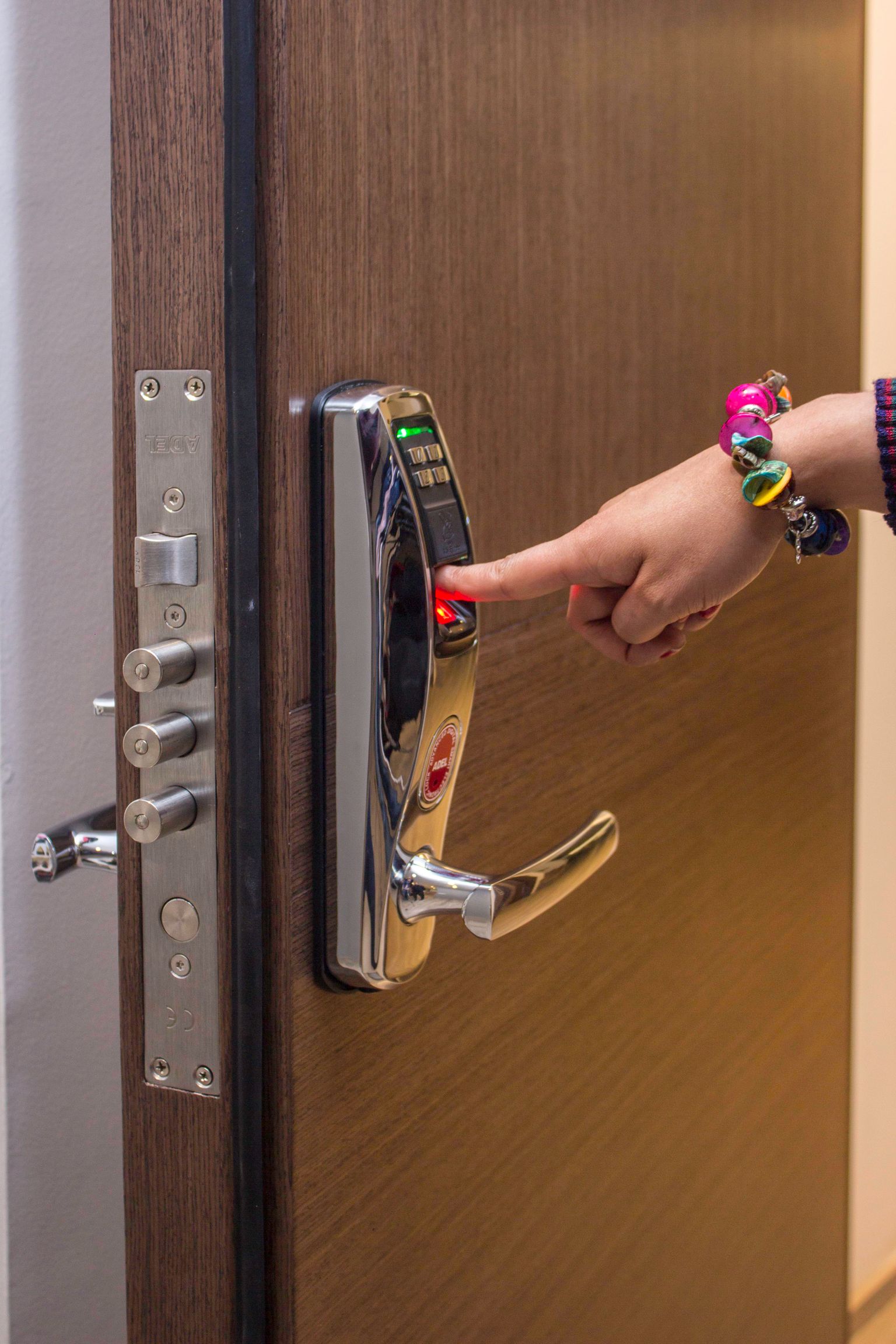
Smart Locks After Ring’s 2026 Launch: What Renters and Homeowners Should Verify
Ring introduced its first smart lock on October 7. Before replacing a deadbolt, check door fit, lease rules, power backup, household access, privacy, and manual entry.
· 7 min read