A Rolling Self-Watering Planter for Fall: Buy It for the Balcony You Have
A newly featured rolling garden bed makes container gardening look simple. Check sun, loaded weight, water access, and winter plans before paying for wheels and a reservoir.
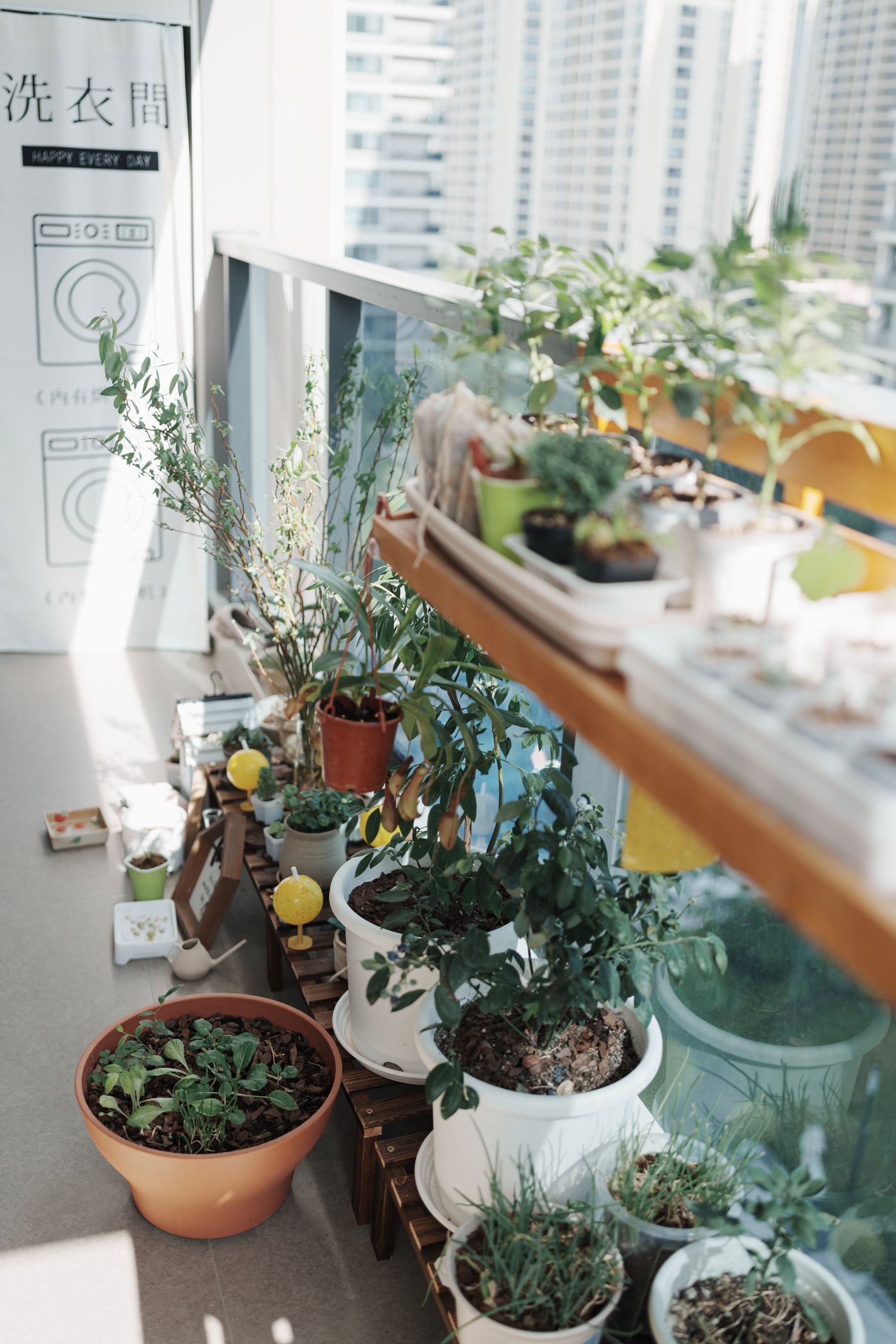
Editorial photograph by JUNLIN ZOU / Pexels. The image illustrates the category, not a tested product or model.
Your balcony holds three herb pots. One gets full afternoon sun; the other two sit in shade. As nights cool, you imagine rolling everything inside in one trip. A self-watering garden bed looks like the answer, but it will be much heavier after you add soil and water, and the herbs may not all want the same moisture level.
Why this is timely
On October 19, Homes & Gardens highlighted a Costco rolling self-watering garden bed as an option for balconies and indoor transitions. That is a retailer-specific example, not a test of every wheeled planter. Product availability, price, and specifications can change. This guide starts with the balcony and plants rather than a particular listing.
Compare the three sensible setups
Measure the loaded route, not just the empty planter
Measure the narrowest doorway, the turn into the room, and the clear floor area beside windows. Check the building's balcony rules and weight limits if applicable. Add the weight of soil, plants, and a filled reservoir to the maker's empty-unit weight. A product that rolls easily in a showroom may be difficult to maneuver over a door threshold.
Confirm whether the reservoir can be drained, cleaned, and checked without dismantling the planter. A water-level indicator is useful, but it does not replace checking the root zone. Different herbs and vegetables may require different light, temperature, and moisture; do not combine them simply because one container is available. Indoors, plan for adequate light and a surface that can tolerate drips.
Build a realistic shortlist
Compare dimensions, capacity, wheel locks, assembly, drainage, warranty, and current return terms before buying.
Browse current planter optionsWhen the clever feature is not worth it
Skip the larger unit when it blocks a balcony exit, has nowhere to go in winter, or groups plants that need different care. Do not assume “self-watering” means no maintenance. Check assembly requirements and whether replacement wheels or reservoir parts are available.
The purchase decision
Buy a rolling reservoir planter only when it solves a repeated moving or watering problem for plants with compatible needs. Otherwise, separate pots give you more control and less loaded weight. For other small outdoor purchases, see our outdoor gear buying principles.
Source checked October 20, 2026: Homes & Gardens' October 19 feature.
Related outdoors guides
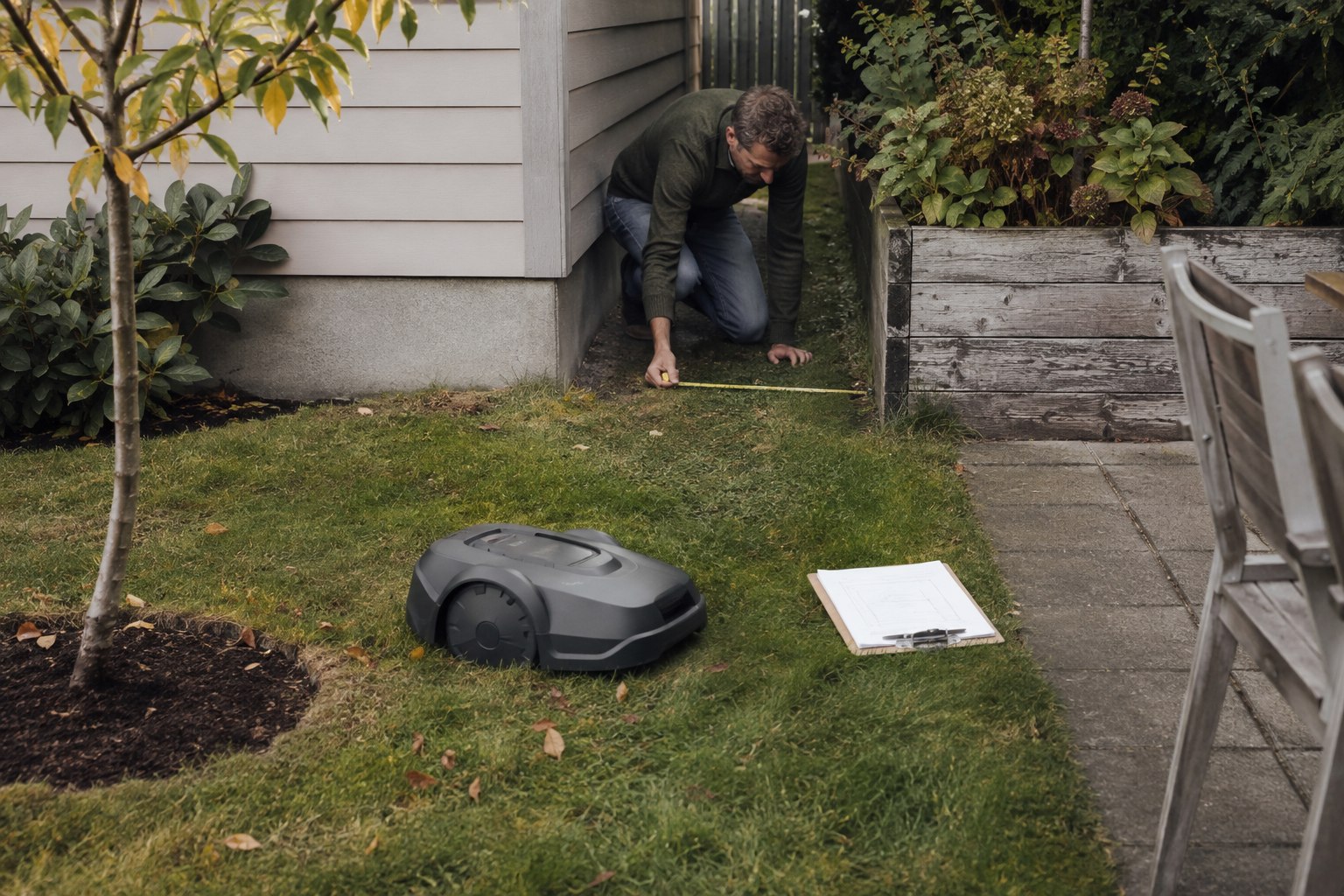
Robot Lawn Mowers After IFA 2026: Map the Yard Before You Buy
Autonomous mowers are an IFA talking point. Measure passages, slopes and edges, then compare navigation, safety, installation and support against your actual yard.
· 7 min read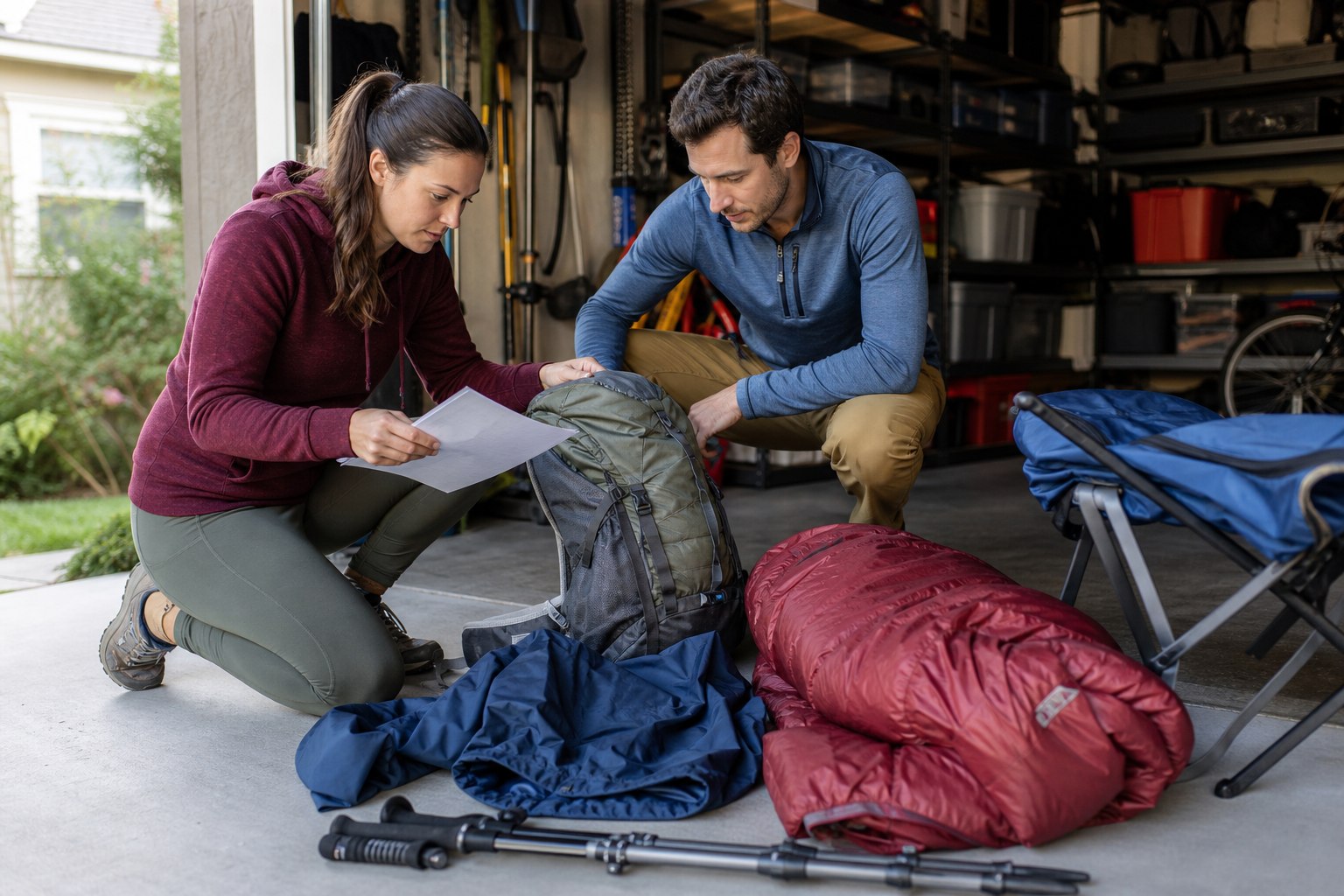
Labor Day Outdoor Gear Sales 2026: What to Buy for Fall—and What to Skip
Early Labor Day promotions are landing across camping, hiking, patio, and travel gear. Start with an actual fall plan, then compare fit, durability, and return terms before chasing a percentage-off banner.
· 7 min read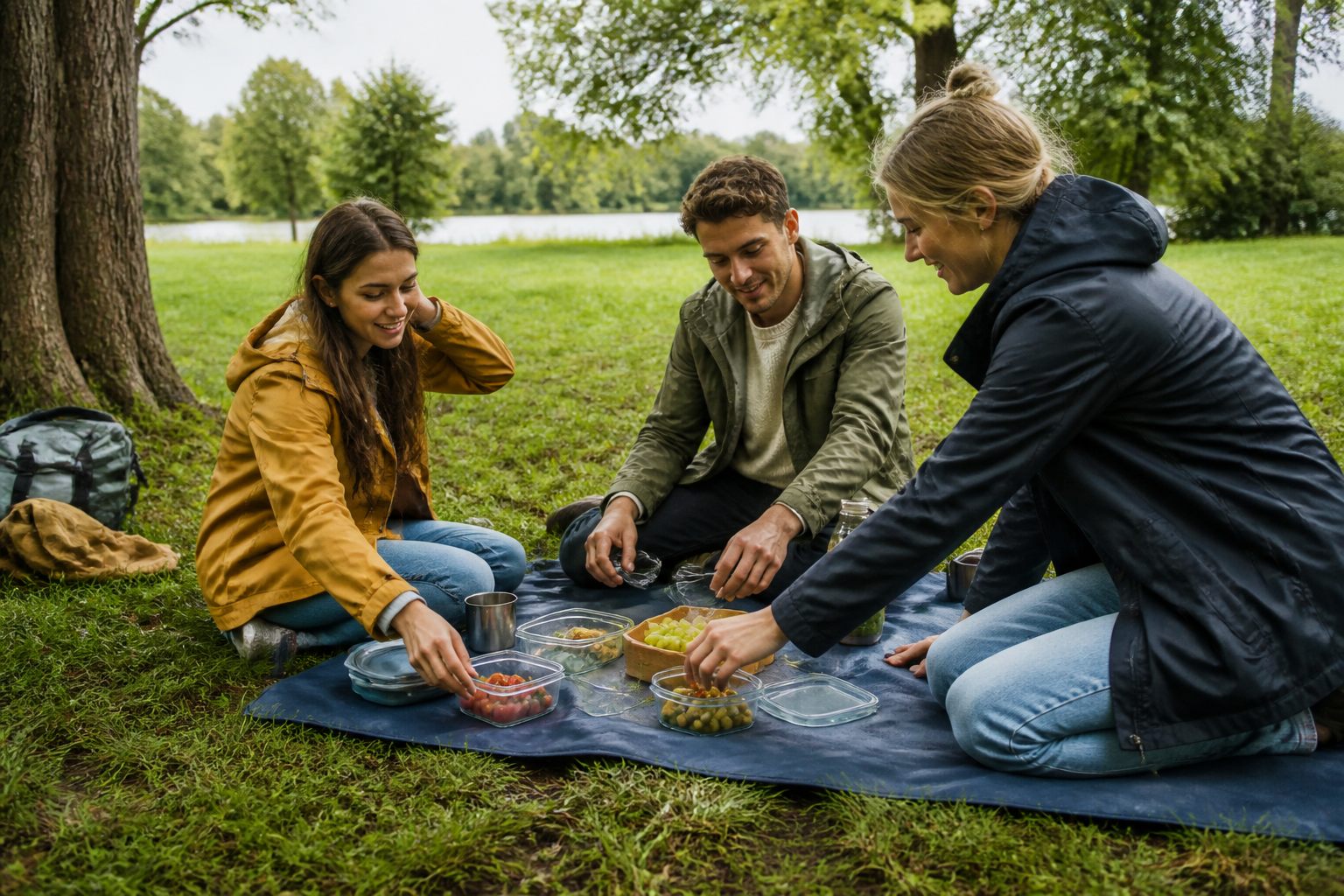
Picnic Blankets for Parks, Beaches, and Damp Grass
Compare backing, packed size, cleaning, and anchoring for relaxed days outside.
· 7 min read