Labor Day Outdoor Gear Sales 2026: What to Buy for Fall—and What to Skip
Early Labor Day promotions are landing across camping, hiking, patio, and travel gear. Start with an actual fall plan, then compare fit, durability, and return terms before chasing a percentage-off banner.
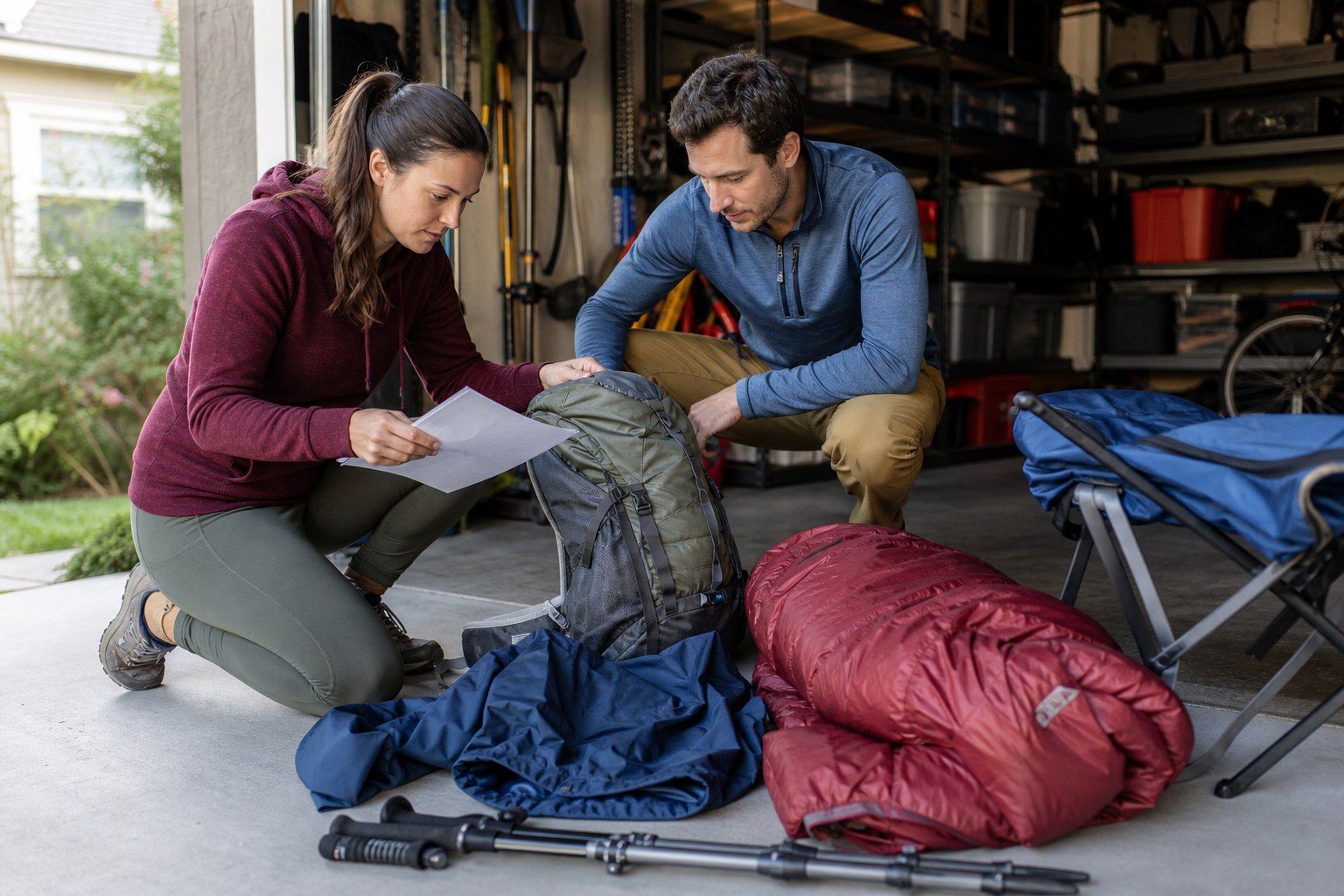
A couple checking the camping and hiking gear already in their garage before a cool-weather weekend trip. A listing cannot tell you whether a purchase makes that particular routine easier. Start by identifying the part that currently fails: access, storage, cleaning, comfort, or carrying.
Begin with the constraints
Inventory the gear you already own, name the next three trips, and try on every load-bearing or foot-worn item before the return window closes. Write down the result before comparing products; it will be more useful than a rating averaged across buyers with different spaces and habits.
The options worth comparing
Depending on your routine, compare weather-ready hiking layers, properly fitted packs and footwear, compact camp furniture, and end-of-season outdoor essentials. Look at the dimensions and care instructions for each type, then decide which tradeoff you can live with. A category name is not a specification: construction, accessories, and return terms vary by seller and model.
What is worth paying for?
Buy durable gear that solves a scheduled fall need now, but skip bulky clearance items that are cheap only because they will be difficult to store or rarely used. Compare the total price, including any replacement pieces or required accessories. Read recent critical owner reviews for recurring problems that resemble your own use case rather than treating a star average as proof of fit.
Compare current listings
Check dimensions, materials, maintenance, seller identity, and the applicable return window before ordering. PerkParcel may earn a commission from qualifying purchases.
Browse Labor Day outdoor gear optionsA reason to wait
If you cannot verify the measurements or describe a routine this purchase would improve, pause. A discounted item can still be a poor value when it creates storage, cleaning, or replacement work you had not planned for.
The decision
Use the actual space and routine as the filter, then choose the simplest option that meets the need. Recheck the seller's current information at checkout; specifications and policies can change.
Related outdoors guides
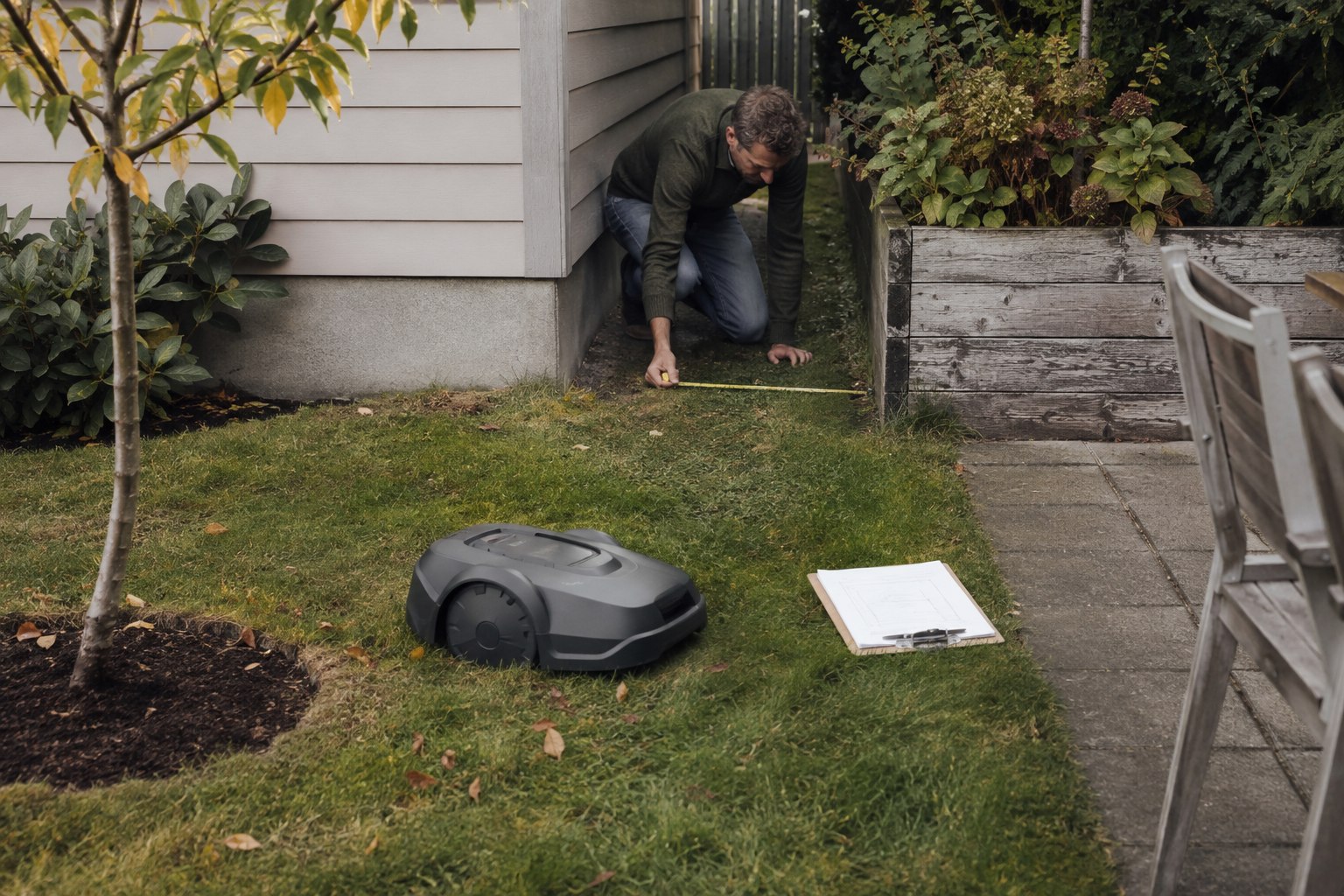
Robot Lawn Mowers After IFA 2026: Map the Yard Before You Buy
Autonomous mowers are an IFA talking point. Measure passages, slopes and edges, then compare navigation, safety, installation and support against your actual yard.
· 7 min read
Picnic Blankets for Parks, Beaches, and Damp Grass
Compare backing, packed size, cleaning, and anchoring for relaxed days outside.
· 7 min read
Camp Chairs for Concerts, Campsites, and Sidelines
Find the right balance of seat height, support, packed length, and carry weight.
· 7 min read