Trading Card Collecting in 2026: A Family Guide to Packs, Singles, Sleeves, and Storage
Pokémon’s anniversary release has renewed card-collecting demand. Set a hobby budget, buy from reputable sellers, protect cards correctly, and keep scarcity pressure out of family decisions.
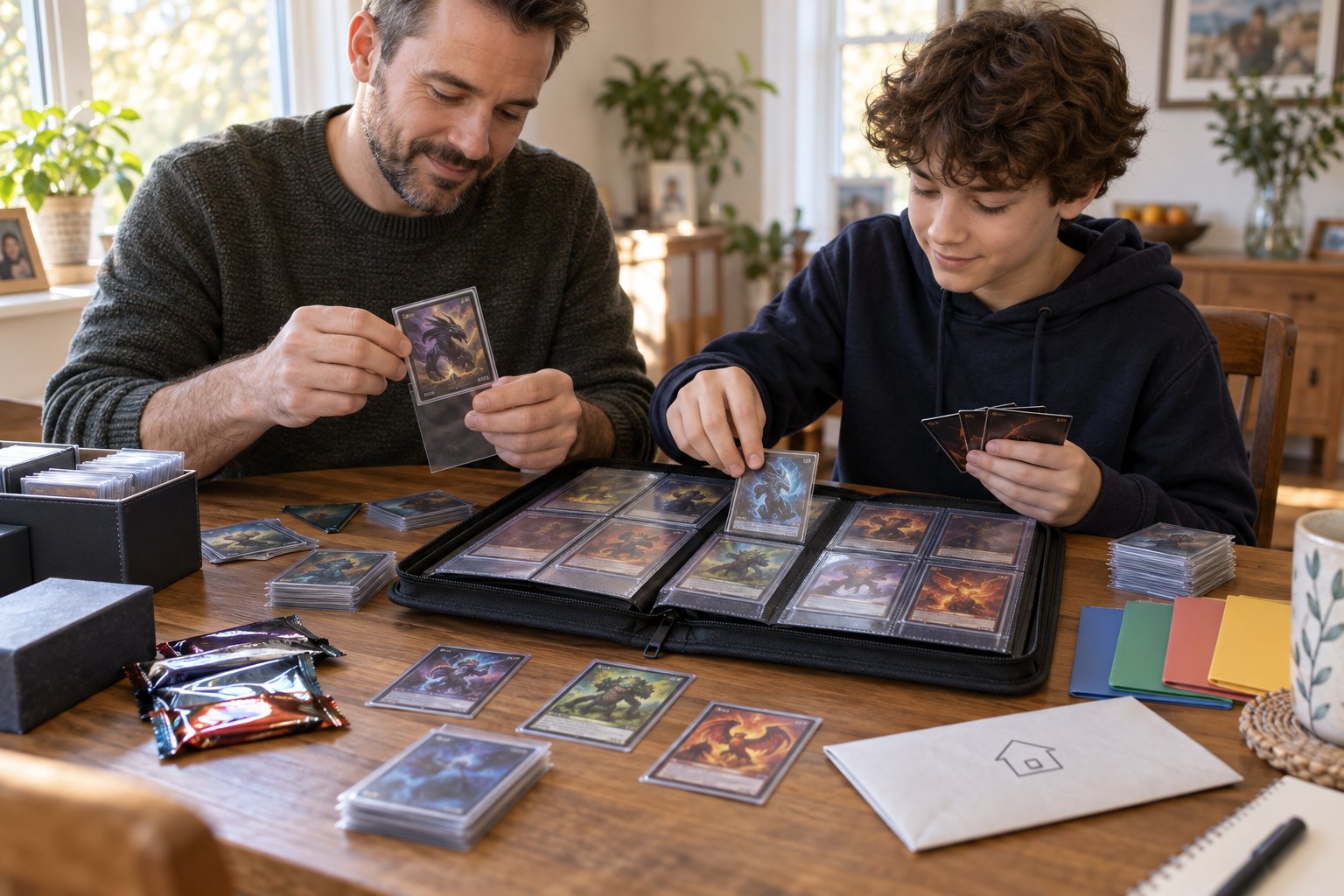
A child wants to open packs with friends, an adult is rediscovering cards from childhood, and social posts make the newest boxes look impossible to find. Before joining a line or paying a resale premium, decide whether the household goal is playing, completing a favorite character page, opening a few packs for fun, or preserving cards already owned.
Image: AI-generated editorial scene using original generic fantasy cards. It does not depict Pokémon products, licensed characters, authenticated cards, or items tested by PerkParcel.
Why trading cards are a consumer hotspot
Pokémon’s 30th Celebration card release arrived September 16, with news reports documenting strong store traffic and availability pressure. Separately, Circana’s September 14 consumer update identified trading cards as one of the retail categories showing notable interest while many households remain selective about discretionary spending. See current coverage from Pokémon’s official news page, ABC News, and Circana’s consumer-spending release.
High demand can make ordinary hobby purchases feel like financial opportunities. This guide treats cards as entertainment and collectibles—not investments. Future value is uncertain, and authenticity, condition, fees, and liquidity can materially change resale outcomes.
Choose a collecting goal before choosing a product
- Play the game: prioritize a legal, coherent deck and local play format over rare artwork.
- Collect a theme: buy specific singles for a character, artist, set, or page when that costs less than random packs.
- Open for fun: set a fixed entertainment budget and accept that pack contents are random.
- Preserve family cards: spend first on appropriate sleeves, storage, and a dry, stable location.
For children, agree on opening, trading, and spending rules before entering a store. Keep food and drinks away from the sorting table, and help younger collectors understand that rarity does not determine whether a card is enjoyable.
Packs, boxes, or singles?
Sealed packs provide surprise, not a guaranteed path to a desired card. Larger boxes may include accessories, promos, or multiple packs, but the bundle is useful only if those components fit the goal. Singles let a collector choose the exact card and inspect condition, although popular releases can be volatile immediately after launch.
Compare the manufacturer’s suggested price when available, the number and type of packs, included accessories, seller identity, and the return policy for sealed goods. Do not pay a large premium simply because a product is temporarily out of stock. Restocks, additional waves, and secondary-market prices are uncertain.
Buy basic protection before premium display gear
Use clean, correctly sized, acid-free sleeves from a reputable supplier. For binders, look for side-loading pockets, a zipper or secure closure, pages that lie without forcing cards near the rings, and enough capacity without overfilling. Rigid holders are useful for selected cards but add bulk and are not a substitute for careful storage.
Keep collections away from direct sunlight, high humidity, heat, pets, and spill-prone areas. Store boxes upright only when the contents are supported and cannot slump. Avoid adhesives, rubber bands, and household plastics with unclear materials.
Compare card sleeves, binders, and storage
Check internal dimensions, materials, closure style, capacity, seller reputation, and recent owner feedback. PerkParcel may earn a commission from qualifying purchases.
Browse current card-storage optionsCounterfeit and resale precautions
Buy sealed products from established retailers or reputable hobby stores. On marketplaces, examine seller history, return rights, product photos, language and region, packaging details, and prices that appear implausibly low. For expensive singles, request clear front, back, edge, and surface images and use a platform with buyer protection. Authentication or grading does not guarantee future value.
Never arrange a high-value cash trade for a child with an unknown adult. Meet marketplace sellers only under safe, platform-approved conditions, and avoid sharing a home address or collection details publicly.
A healthier way to collect during a sellout
Set a monthly hobby limit, buy a small amount from a reputable seller, sleeve what matters, and let the initial release rush settle. If the goal is one specific card, compare singles after supply and completed sales become clearer. For gift planning under the same hype pressure, see our 2026 holiday toy shortlist guide.
Frequently asked questions
Are sealed trading-card boxes a reliable investment?
No. Demand, supply, condition, authenticity, selling fees, and future buyer interest are uncertain. Treat purchases as hobby spending.
Should a beginner buy packs or singles?
Packs are useful for the surprise experience; singles are usually more direct when the collector wants an exact card or theme.
What storage should I buy first?
Start with correctly sized sleeves and a protected box or side-loading binder stored in a dry, temperature-stable place away from sunlight.
Market and release context checked September 17, 2026. Availability, prices, restocks, authenticity policies, and seller terms can change.
Related home guides
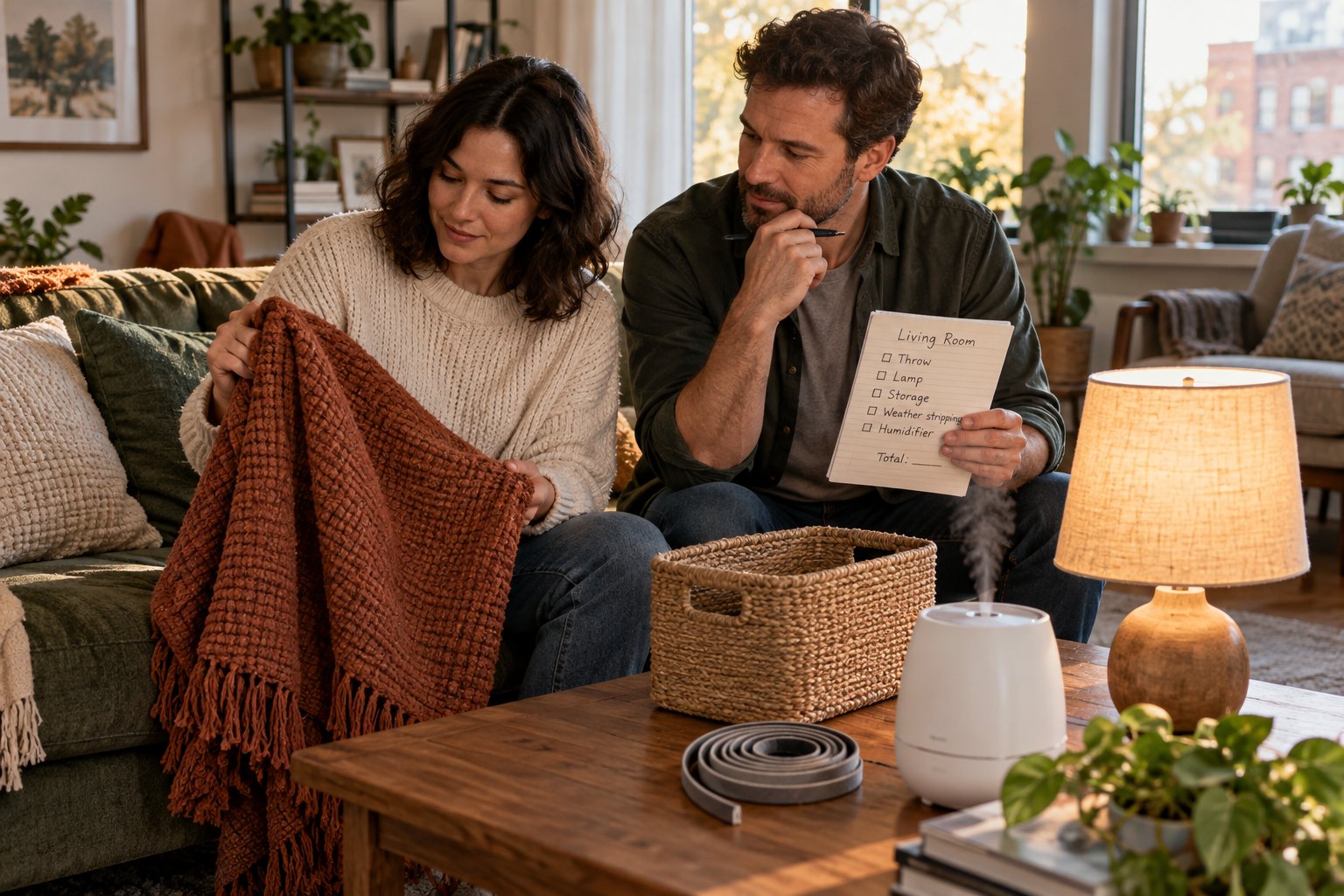
The Early-Fall Home Reset: 7 Useful Upgrades Before You Buy More Decor
Cozy-season shopping is accelerating. Start with lighting, warmth, air comfort, entryway control, and storage so a small fall refresh improves daily life instead of creating more clutter.
· 7 min read
2026 Trending Toys: Build a Better Holiday Gift Shortlist Before the Rush
Amazon’s new Top 100+ Toys list signals early holiday interest in collectibles, sensory play, screen-free activities, and budget gifts. Here is how to choose for the child—not the trend.
· 7 min read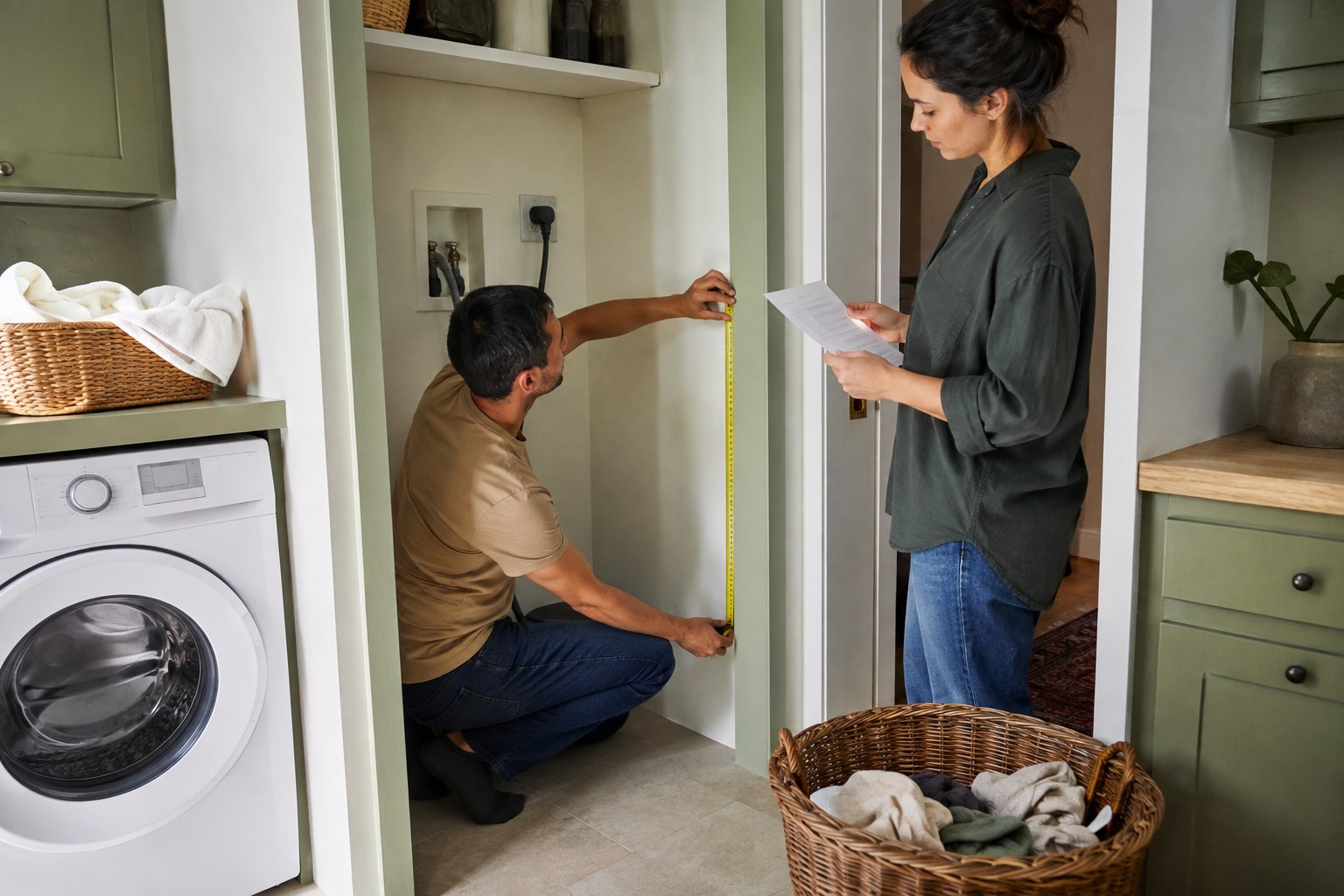
IFA 2026 Washing Machines: Buy for the Loads You Really Wash
New energy and capacity claims are attracting attention. Compare usable space, household loads, local labels, installation and lifetime care before replacing a washer.
· 7 min read