The Personal-Item Bag Guide for Short Trips
Pack smarter by comparing dimensions, openings, straps, and under-seat access.
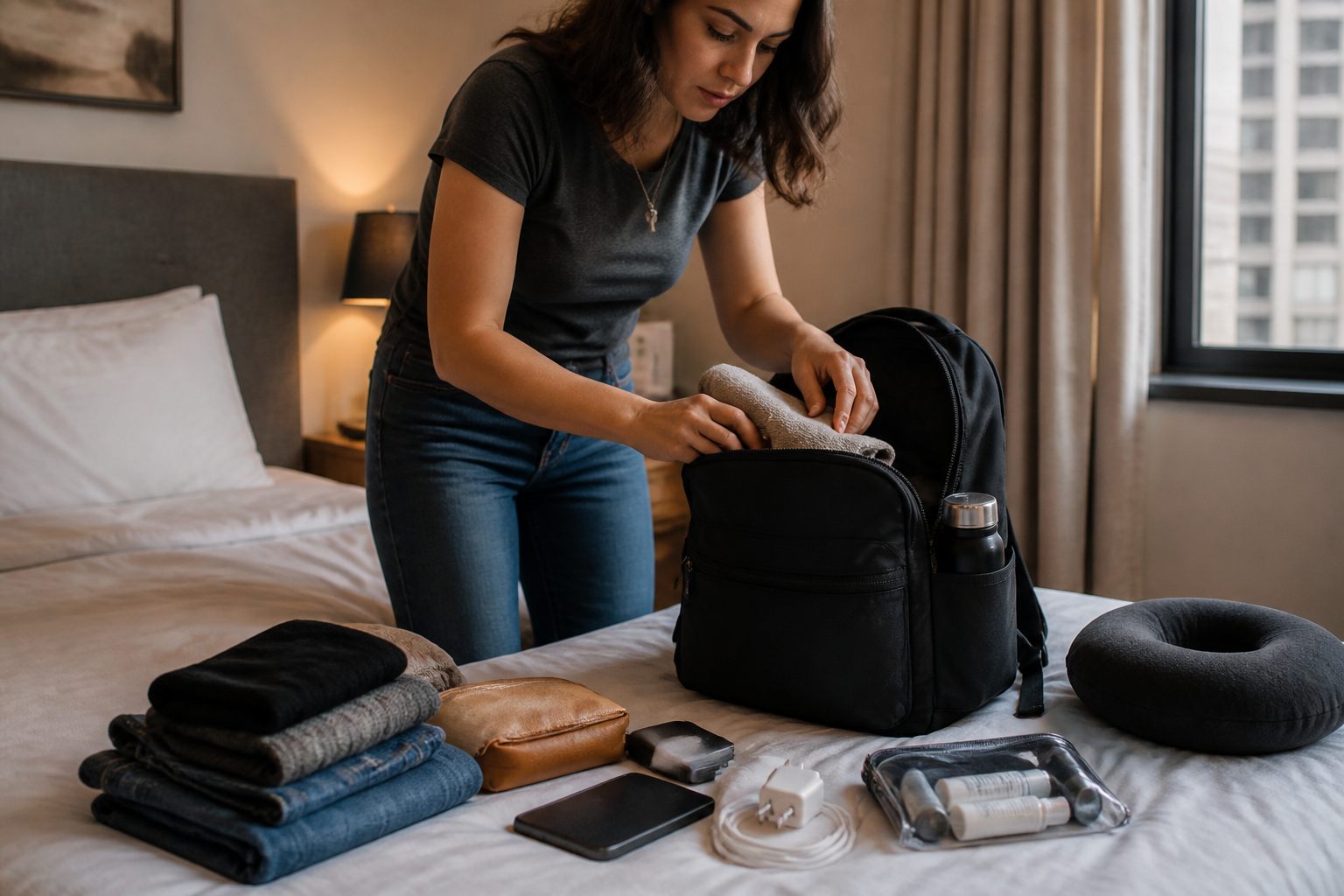
Picture a traveler packing for a two-night city break without checking luggage. That ordinary moment is a better starting point than a page of features. The most useful personal-item bag is the one that fits the space, routine, and tradeoffs already present in your day.
Start with the moment you need to improve
Write down where the product will live, who will use it, and what makes the current setup annoying. For this situation, the most sensible shortlist includes structured totes, small backpacks, and clamshell travel bags. Each can work, but they solve slightly different problems.
A practical first step is to verify the current airline size limit before every trip. That quick check can eliminate attractive options that would be awkward once they arrive.
What to compare before buying
- Fit: Confirm dimensions, placement, and storage before ordering.
- Frequency: Daily-use products deserve simpler controls and easier cleaning.
- Maintenance: Check how covers, filters, lids, or moving parts are cleaned and replaced.
- Return policy: Verify the current seller policy when fit or comfort cannot be judged from specifications.
The buying advice that matters most
choose easy top access for transit and clamshell access for organized packing. Avoid paying for a long feature list unless you can name when each feature will be used. A simpler option that handles the main job reliably is often the stronger long-term value.
Ready to compare current options?
Review dimensions, recent owner feedback, warranty terms, and the seller’s current return policy before ordering.
Check current optionsCommon mistakes to avoid
The most common mistake is shopping for an imagined perfect day. Buy for the rushed morning, crowded counter, small trunk, or tired evening that happens regularly. Do not assume that a higher price guarantees better fit, and do not treat a large bundle as value if half of it will remain unused.
Our bottom line
Choose the personal-item bag that removes the biggest point of friction with the fewest new chores. Confirm fit, maintenance, and return terms, then compare current options from reputable sellers.
Frequently asked questions
How much should I spend?
Set a range based on frequency of use and the cost of replacing a poor fit. Spend more for durability or comfort you can explain, not for features you may never use.
Should I buy the most popular model?
Popularity can reveal a useful baseline, but your space and routine matter more. Read critical reviews for patterns that match your situation.
When is the best time to buy?
Buy when you have verified the need, dimensions, and return policy. A rushed discount purchase is not a saving if the product is wrong.
Related travel guides
Airline-Ready Power Banks in 2026: What Travelers Should Check Before Flying
New airline attention on lithium batteries makes capacity labels, carry-on storage, and heat management more important than ever.
· 7 min read
Back-to-School Backpacks for 2026: Fit, Durability, and Value
Balance student style with strap comfort, laptop protection, realistic capacity, and a budget that survives fast-moving trends.
· 7 min read
Portable Luggage Scales for Less Stress at the Check-In Counter
Compare grip, display readability, measurement range, batteries, and packed size before your next flight.
· 7 min read